
How Often Should You Have a Termite Inspection in South East Queensland?
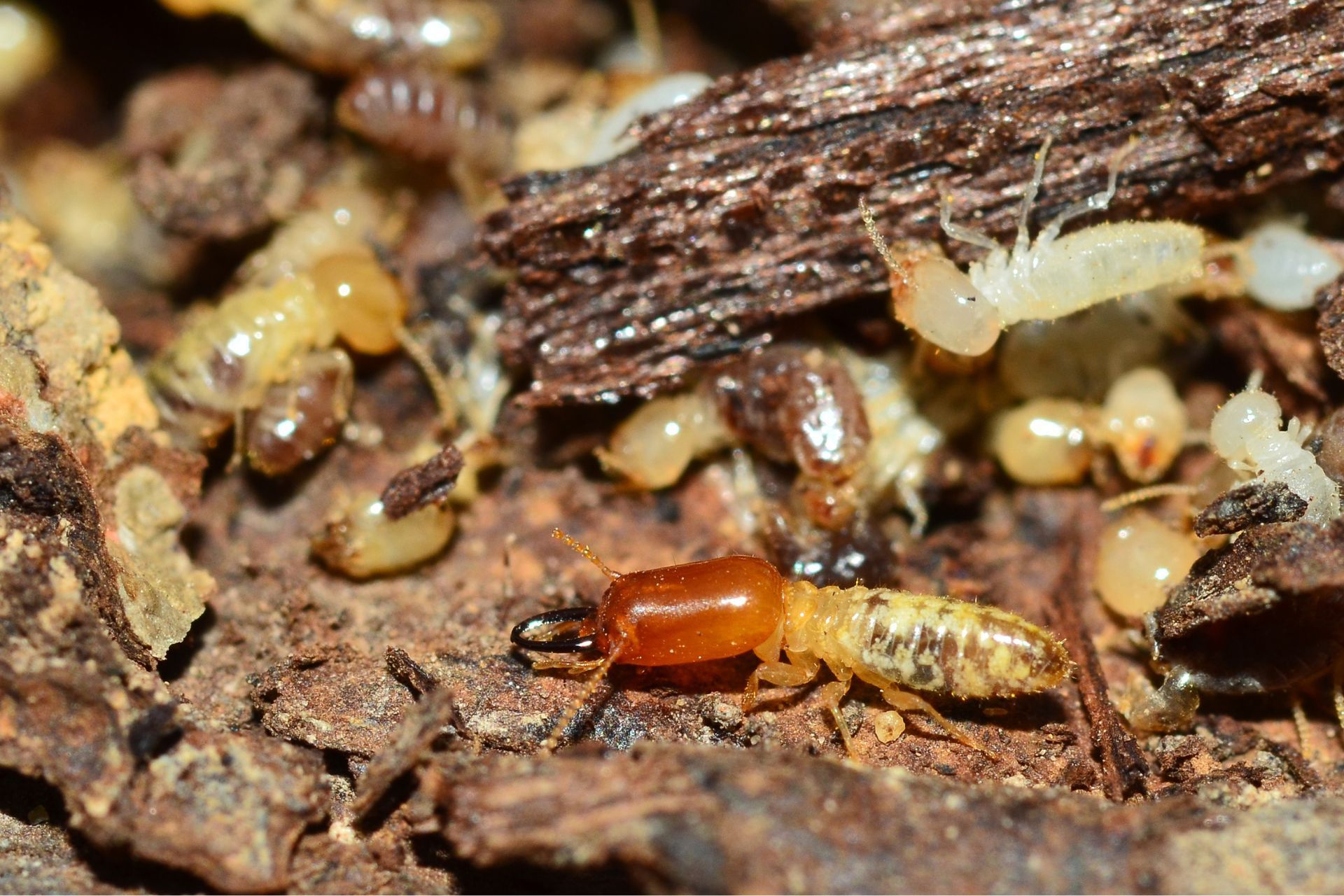
Termites are one of those problems most homeowners don’t think about until there’s a reason to.
The trouble is, termite activity can remain hidden for a long time. By the time visible damage appears, termites may already have been active somewhere in or around the property.
That’s why regular termite inspections are so important, particularly across South East Queensland, where warm conditions, moisture and established vegetation can create favourable conditions for termite activity.
At All Solutions Pest Control, we recommend making termite inspections part of your regular property maintenance rather than waiting until you suspect a problem.
How often should your home be inspected for termites?
As a general guide, Australian Standards recommend termite inspections at intervals of no more than 12 months for residential properties.
For many homeowners, that means arranging a professional termite inspection once every year.
However, 12 months is not necessarily the right interval for every property.
Homes considered to be at greater risk may benefit from more frequent inspections. This can include properties that have experienced previous termite activity, homes with moisture or drainage issues, properties surrounded by established trees and gardens, or homes with timber close to or in contact with the ground.
Jarrad from All Solutions Pest Control can recommend an inspection schedule based on the individual risk factors around your property.
Why South East Queensland homeowners need to stay vigilant.
Termites thrive in conditions where warmth, moisture and a reliable food source come together.
Across areas such as Jimboomba, Logan, Scenic Rim, Ipswich, Brisbane and surrounding South East Queensland, it’s common to find properties with established gardens, large trees, acreage, timber structures and areas where moisture can collect around the home.
None of these things automatically mean you have termites, but they can increase the conditions that make a property more attractive or accessible to termite colonies.
Things worth keeping an eye on include leaking plumbing, poor drainage, damp subfloors, timber stored against the home, old tree stumps, garden beds or mulch close to the building and timber structures making contact with soil.
What does a professional termite inspection involve?
A termite inspection is much more than simply looking around the outside of the house for obvious signs.
As qualified pest technicians, we will assess accessible areas of the home and property for current termite activity, evidence of previous damage and conditions that could increase the risk of future termite problems.
Depending on the property, this can include checking internal rooms, skirting boards, door and window frames, roof voids, subfloor areas, exterior walls, garden structures and other accessible areas around the building. Specialised tools such as moisture meters may also be used where further investigation is needed.
Afterwards, you should have a clearer understanding of whether termite activity has been detected, where the potential risk areas are and whether any further treatment or preventative work is recommended.
Do new homes still need termite inspections?
Yes.
Having a termite management system installed during construction does not mean a home should never be inspected again.
Regular inspections are still important because conditions around a property can change over time. Landscaping, renovations, plumbing leaks, additions, soil movement and other changes can potentially affect termite risk or interfere with existing termite management measures.
Some termite management systems also have specific inspection requirements associated with their warranties, so it is worth checking the documentation for your particular system.
What are some signs of possible termite activity?
You don’t need to wait until you see signs before booking an inspection, but there are some warning signs homeowners should be aware of.
These can include mud-like tubes or trails, hollow-sounding timber, timber that feels soft or damaged, bubbling or unusual paintwork and discarded wings from flying termites.
If you do discover suspected termite activity, try not to disturb or spray the area yourself. Leaving the activity intact can help us, your local pest technician, assess what is happening and recommend the most appropriate next step.
Regular inspections are about catching problems early
A termite inspection doesn’t mean there is something wrong with your home.
Think of it in the same way as other preventative maintenance, the aim is to identify activity or increased risk before it becomes a much bigger problem.
For most homes, an annual inspection is a sensible starting point. For higher-risk properties, Jarrad from All Solutions Pest Control may recommend a shorter interval based on the property, its history and the surrounding environment.
If it has been more than 12 months since your last termite inspection, or you’re unsure when your property was last checked, the team at All Solutions Pest Control can help.
We provide professional termite inspections throughout Jimboomba, Logan, Scenic Rim, Ipswich, Brisbane and surrounding South East Queensland areas.
To arrange a termite inspection or discuss the termite risk around your property, contact All Solutions Pest Control on 0414 644 466.